
-1024x270.png)
Appearance
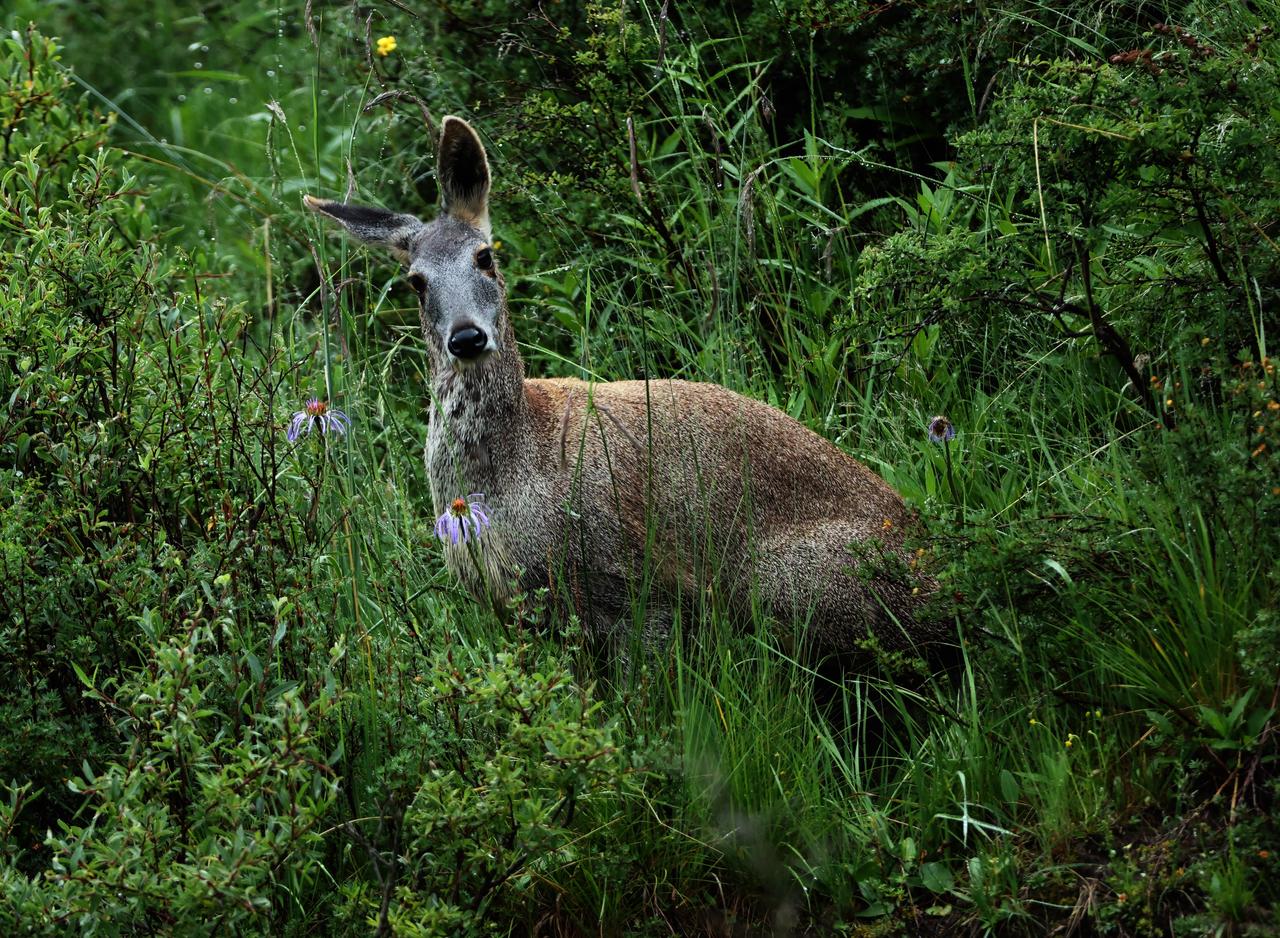
The Alpine Musk Deer ( Moschus chrysogaster ) is one of the larger species in the family Moschidae. There are seven musk deer species worldwide, and six of them are found in China—including the Siberian musk deer, forest musk deer, alpine musk deer, black musk deer, and Himalayan musk deer. Among them, the Alpine Musk Deer is the largest in size. It measures 75–90 cm in body length and has light brown fur with a swirl pattern along the neck and back. Males possess prominent, elongated upper canines, giving them a “fang-like” appearance.

Habitats
The Alpine Musk Deer inhabits mountainous regions of central and western China, such as the Qinghai–Tibet Plateau, the Qinling Mountains, and the Hengduan Mountains. Because of factors like terrain, urban development, and climate change, their distribution is fragmented, forming isolated populations in regions such as Helan Mountain and Xinglong Mountain in Gansu.
Musk deer prefer quiet, sparsely populated, and forested areas, often living at altitudes above 2,500 meters, in forests, shrubs, or grassy slopes. They feed mainly on grasses, leaves, and berries. Shy and solitary by nature, they move swiftly and silently, most active at dawn and dusk. They are solitary animals, and their breeding season usually occurs from November to January, with females giving birth to one or two fawns at a time.
Musk
As a National First-Class Protected Animal and an Endangered species on the IUCN Red List, the Alpine Musk Deer faces two major threats: habitat fragmentation and illegal poaching. The main reason for poaching lies in a small but valuable substance produced by males — musk.
Musk, secreted from a gland near the abdomen of male musk deer (found in M. chrysogaster, M. berezovskii, and M. moschiferus), has been a precious medicinal ingredient in traditional Chinese medicine for centuries. It is believed to stimulate consciousness and improve blood circulation, and was also an important fragrance component in imperial times. Because of its strong and long-lasting scent and the difficulty of artificial extraction, natural musk has long been extremely valuable.
You may not have encountered real musk, but you may have heard of it in popular culture—for instance, in the TV drama Empresses in the Palace (The Legend of Zhen Huan), musk from the alpine musk deer is added to a fragrance that causes infertility, reflecting its legendary potency.
In traditional local beliefs, herders once thought that soaking a male musk deer’s tail in water and feeding it to livestock would help ease childbirth. When we interviewed herders in Qinghai who voluntarily participate in musk deer conservation, one elder told us that he believes musk “nourishes the grasslands and purifies the rivers.”
Male musk deer begin secreting musk at around one year old, reaching peak production around age ten. They use their scent to mark territory and attract females during the mating season. Inside the musk gland, the secretion gradually transforms from a liquid into a brownish, granular powder known as natural musk.
Poaching
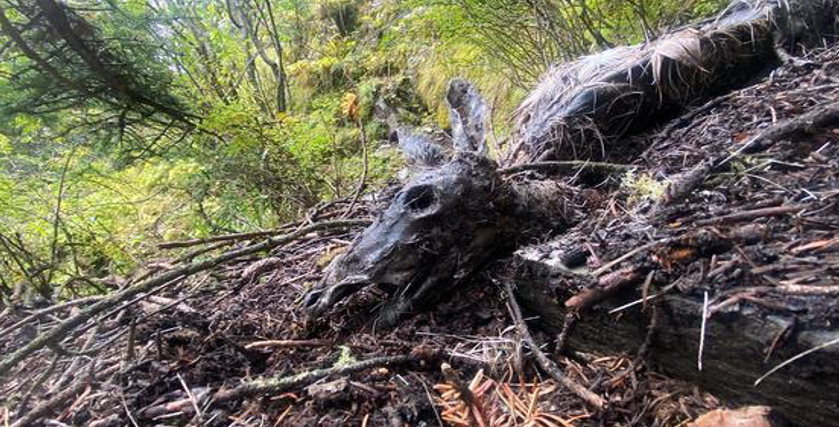
For centuries, “killing deer for musk” was the primary way to obtain this substance. As a result, musk deer have long been the target of illegal hunting. Poachers often use snares and metal traps in mountain forests.
Due to overexploitation, China’s musk deer population plummeted from about 2.5 million in the 1960s to only 60,000 in the early 2000s. In 2008, the species was officially listed as Endangered. Poaching usually occurs in remote mountain regions, where law enforcement is difficult and illegal trade networks are highly concealed.
Conservation Method I: Captive Breeding
To counteract the decline in wild populations, captive breeding and the establishment of nature reserves have become crucial measures. With government support and policy reforms, musk deer breeding centers have expanded steadily. By 2012, China had bred around 8,400 individuals of the musk deer species, mostly forest musk deer, which has long been the main focus of breeding programs. Captive breeding requires careful management of diet and health.
Research at the Xinglong Mountain Breeding Center has shown that the content of muscone (the key compound in musk) decreases with age and health decline. In some cases, female musk deer are released back into the wild after giving birth, helping sustain natural populations. In captive settings, musk is collected through a sustainable method called “live musk extraction”, using a small spoon to carefully remove the musk from the gland without killing the animal.
In addition to natural musk, synthetic musk—composed mainly of muscone, chemically similar to the natural form—has become another important, sustainable source.
Conservation Method II: Infrared Camera Monitoring
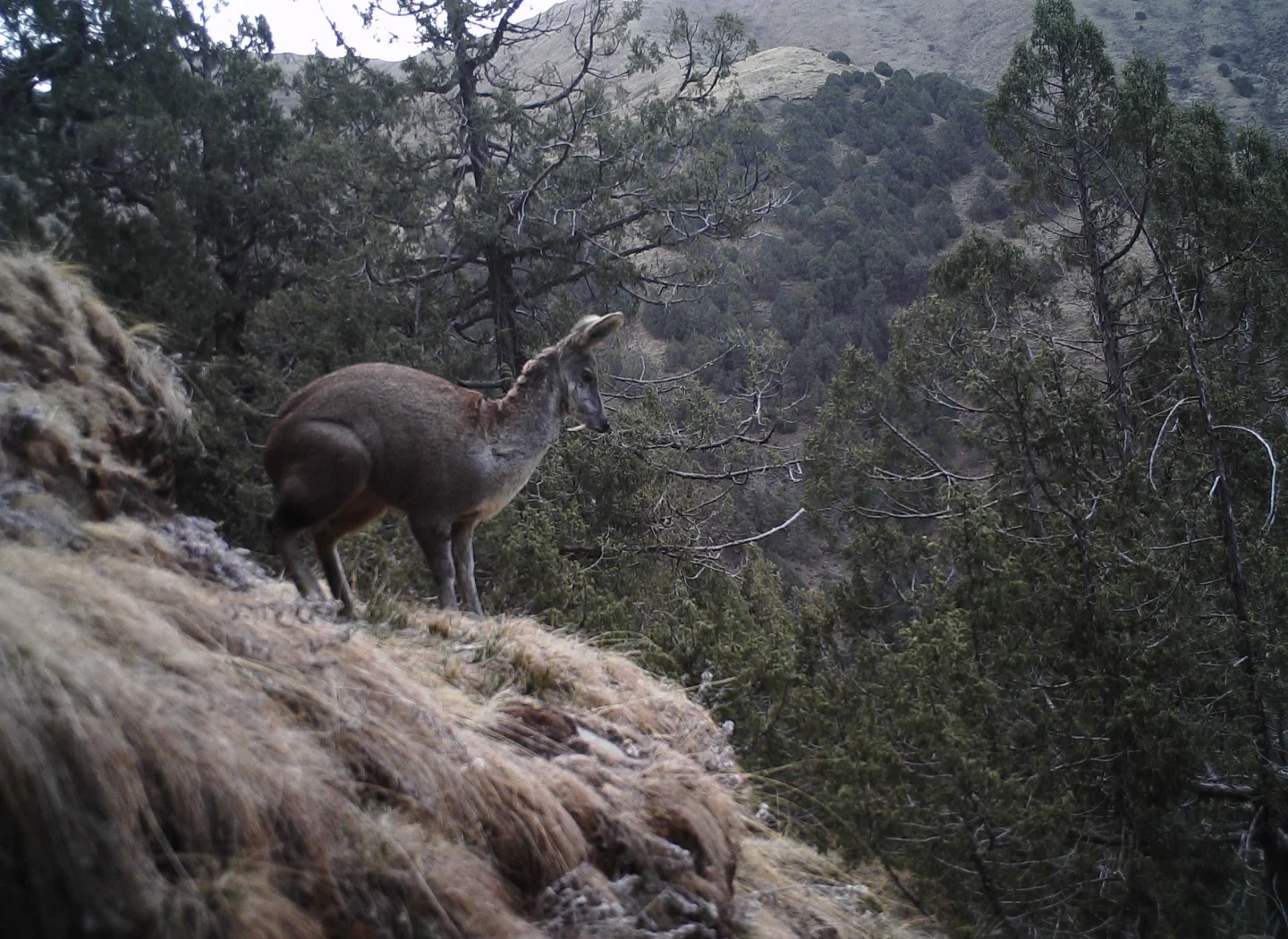
As solitary and elusive animals, musk deer are hard to observe directly. To monitor their movements and behavior, researchers use infrared cameras, which are equipped with sensors that detect warm, moving objects and record images or videos automatically. These cameras can remain in the wild for weeks or even months, continuously recording without disturbing wildlife.
Infrared cameras provide several key advantages in research:
- Efficiently capture rare images of wildlife
- Provide data on species distribution, population size, and interactions
- Enable real-time monitoring to prevent poaching
In the Animaqing region of Qinghai, musk deer monitors check the cameras every 2–3 months to retrieve photos and data.
Conservation Method III: Fecal and Hair Sampling
Non-invasive sampling—the collection of naturally shed hair or feces—allows researchers to study animals without disturbing their behavior. In musk deer studies, this technique has proven valuable in captive breeding programs.
Since captive populations often start small, inbreeding can lead to reduced genetic diversity. By analyzing DNA extracted from feces or hair, researchers can assess genetic variation and improve breeding strategies. This method is also used in disease research, as captive musk deer are vulnerable to various illnesses. With advanced biotechnological tools, conservation planning and breeding programs continue to evolve and improve.
Conservation Method IV: Community Engagement & Project Collaboration
The protection of musk deer depends on collaboration among research institutions, government agencies, NGOs, and local communities. For example, the Zhilan Foundation provides ongoing financial support for musk deer conservation in the Animaqing region. The Plateau Nature Conservancy focuses on musk deer monitoring and environmental education, training local rangers and researchers with professional skills.
During our fieldwork in Qinghai, we met local herders who take part in daily musk deer monitoring efforts, guided by these organizations.
Beyond these dedicated “guardians of the sacred land,” we believe the story of the musk deer deserves to be known by more people. Through our work, we hope more voices will join in seeing, caring for, and protecting the musk deer and its mountain home.
Leave a Reply